Boxer Harnesses: Fit and Active-Walk Guide (2026)
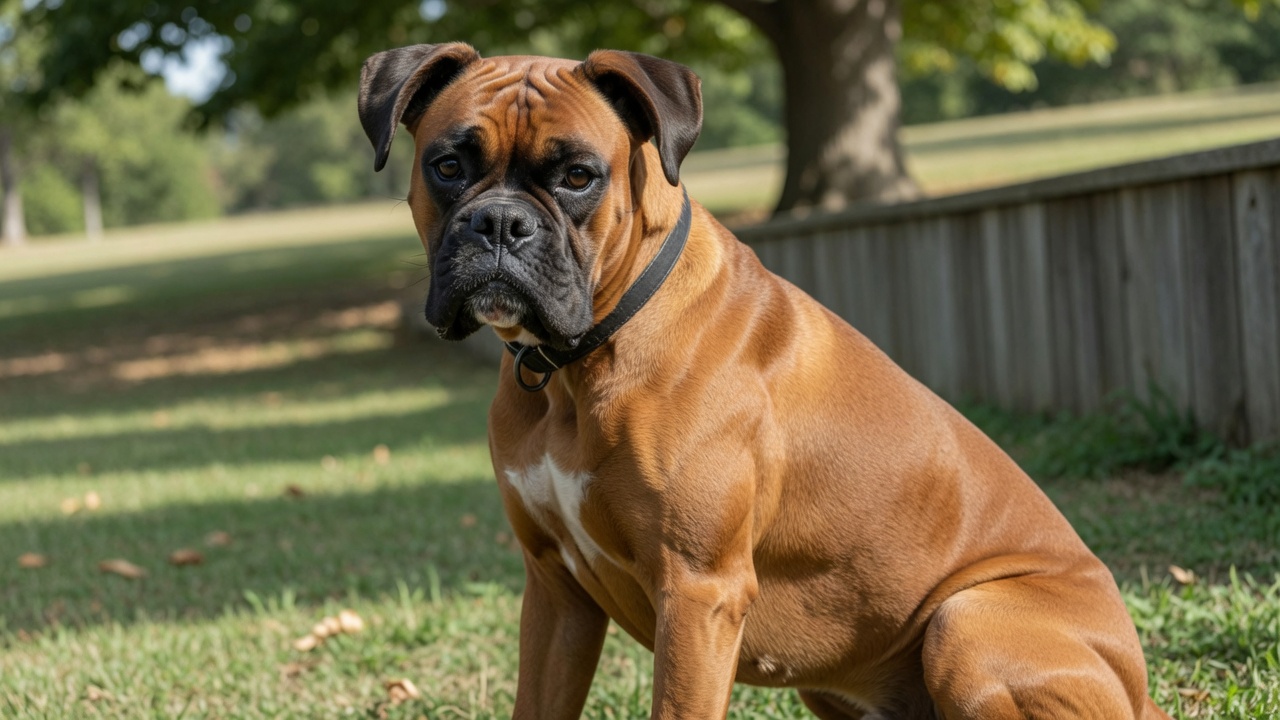
Harness measurement checklist
- Chest girth: widest point of the ribcage, typically a hand’s width behind the front legs. Record the number the size chart asks for.
- Lower neck / throat: only if the chart requires it; keep the tape snug but not compressing the airway.
- Body length / panel proportion: withers to base of tail (or brand’s stated points) so the back panel can centre without sliding onto the neck or hips.
- Indoor fit test: walk, turn, sit, and sniff. Reject any harness that folds, rides up the throat, or lets the dog reverse out.
Use the brand chart that matches this product family; recheck after body-condition changes.
Related: How to measure a dog for a harness · Harness fit by body type.
Boxers are powerful, active dogs, but a harness does not absorb “impact,” solve pulling, or make jumping safe. Its job is to provide a stable leash connection while allowing normal movement. Training, controlled greetings, and route choices do more for sudden lunges than a dramatic product claim.
Fit a deep chest in motion
Measure the widest chest and lower-neck position requested by the chosen brand. The back connector should sit centred over the spine, the front piece should stay on the chest, and the girth strap should clear the front legs. Test the fit indoors while the dog walks, turns, sits, and lowers the head. If the harness rotates, folds, or moves into the armpit area, adjust or choose another pattern.
| Use | Feature to compare | Verify |
|---|---|---|
| Daily lead walk | Multiple adjustments and back clip | Harness stays centred |
| Training | Rated front and back attachments | Use follows a trainer’s plan |
| Active outing | Durable seams and protected buckles | No webbing twists at normal pace |
| Close passing | Maker-rated handle if needed | It is not used to lift the dog |
Keep the system simple
Padding may smooth an edge, but it cannot rescue a wrong size. Look for clear strap paths, secure buckles, and adjustment points that do not creep loose. Clip only to the designated leash ring. A handle is not automatically safe for lifting, and no harness should be left on an unattended dog.
Start with brief calm walks. Pause after several minutes to recheck alignment and inspect the skin after removal. Replace cracked hardware, frayed webbing, or loose stitching. If the dog pulls hard, work with a qualified trainer rather than buying a succession of “no pull” products.
Boxer harness checklist
- Measure chest and lower neck; ignore generic breed labels.
- Confirm free movement at a walk, turn, sit, and sniff.
- Use rated connections only and maintain the hardware.
- Build training and management around the harness.
- Stop using gear that rubs, rotates, or has damaged load-bearing parts.
The good Boxer harness is secure and unremarkable during a normal walk. That is a better standard than a promise about shock force or instant control.
About the Reviewer
Our editorial team researches breed-related needs, compares product specifications, and updates guides as information changes. Product gear does not replace veterinary advice. Read our editorial process.