Senior Dog Beds: Fit, Entry, and Care
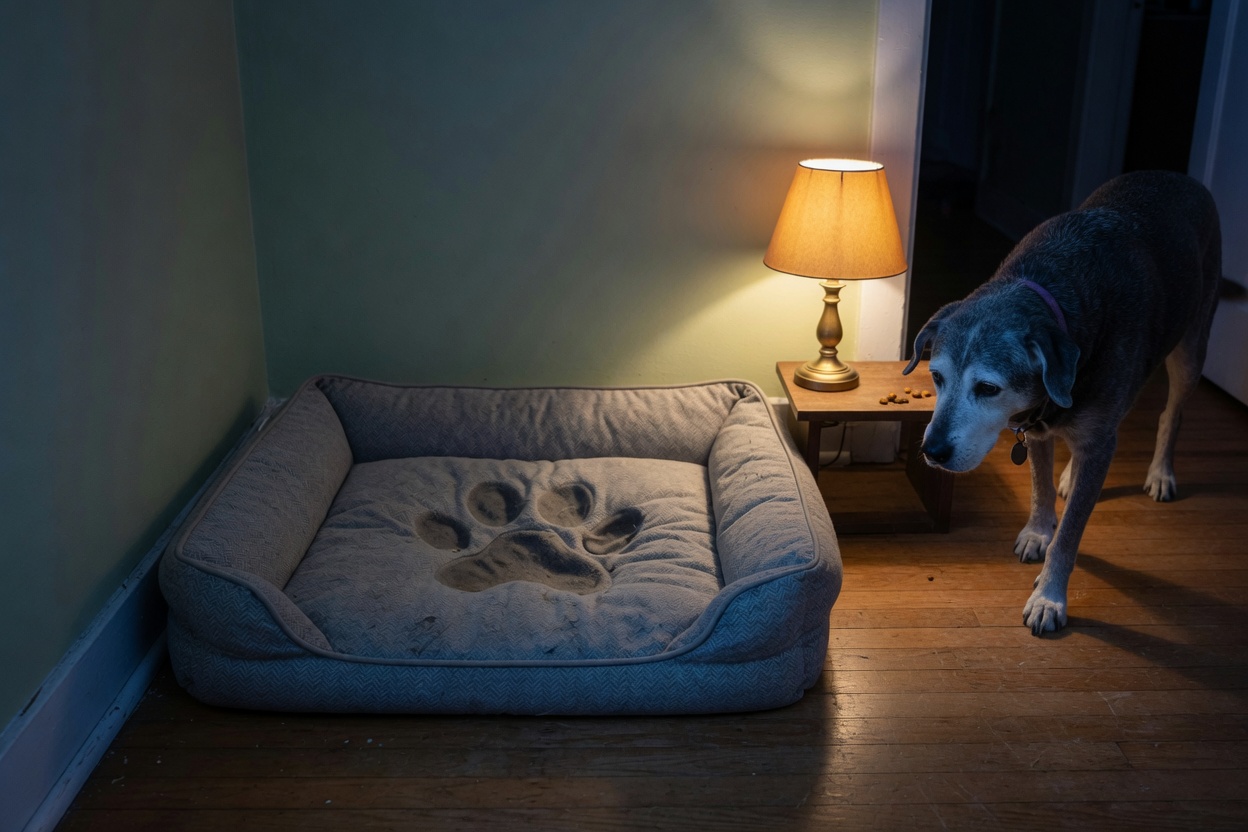
A senior dog bed should make resting easier and cleaner, not promise to reverse aging or heal joints. Pain, sudden stiffness, difficulty standing, or a sharp change in sleep behaviour is a veterinary issue first. This hub covers the fit and care decisions that apply across large and medium breeds, then links to breed-specific guides.
Bed measurement checklist
- Sleep stretch: measure nose-to-rump in the dog’s longest relaxed stretch on the floor; add margin at both ends.
- Interior surface: use the flat sleeping area, not the outer box size. Bolsters can remove a large share of usable space.
- Entry height: choose a low, stable approach the dog will use without jumping or twisting awkwardly.
- Placement test: level floor, non-slip base, quiet route—watch voluntary use for several days before adding accessories.
Weight-based size charts are a weak proxy. Interior length and entry height matter more for seniors.
Decision table
| If the dog… | Prefer | Verify |
|---|---|---|
| Sprawls full-length | Broad rectangular mattress | Interior length ≥ stretch + margin |
| Tucks against a rim | Low open-front bolster | Entrance low; flat centre still wide |
| Lives on hard floors | Non-slip base or pad under bed | Bed does not skate when the dog turns |
| Has wet paws / drool seasons | Machine-wash cover + spare | Zipper cover; fill stays contained |
| Runs warm | Breathable cover; second cooler spot | Choice of rest areas, not one heavy nest only |
Construction checks that beat marketing words
Ignore vague “therapeutic,” “orthopedic miracle,” or human mattress brand analogies until you know:
- Usable sleep surface (interior, not packaging silhouette)
- Entry height and whether the dog must step over a high wall
- Cover care (removable, wash temp, dryer rules)
- Fill behaviour after a press test—even surface, no hard lump, no loose bag of beads at the edge
- Hardware safety—no exposed zip teeth the dog can chew into foam
A bed is not a chew toy. Remove access if filling or plastic stays become exposed.
Entry height (start here if the dog struggles to get on)
Breed-specific bed guides
- Senior Labrador beds
- German Shepherd mobility / home support
- Bulldog beds
- Corgi beds
- Dalmatian beds
- Pomeranian beds
- Yorkshire Terrier beds
One-week pass/fail
Pass: dog enters without coaxing, turns, lies fully on the surface, and exits without a struggle.
Fail: dog sleeps half on the floor, avoids a high rim, or the bed walks across the room—change size, shape, or placement before buying “accessories.”
Related: All guides · Harness fit by body type · Editorial process
About the Reviewer
Our editorial team researches breed-related needs, compares product specifications, and updates guides as information changes. Product gear does not replace veterinary advice. Read our editorial process.